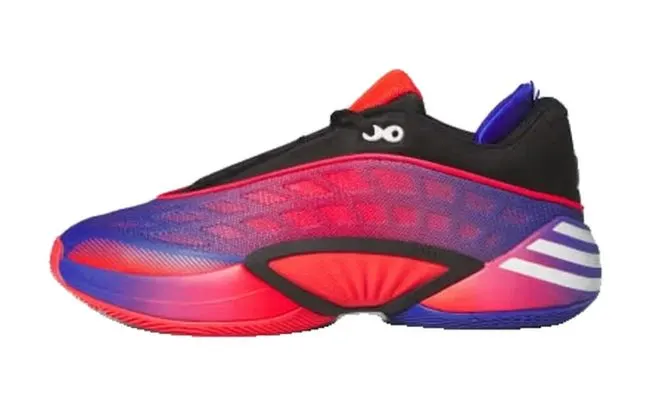
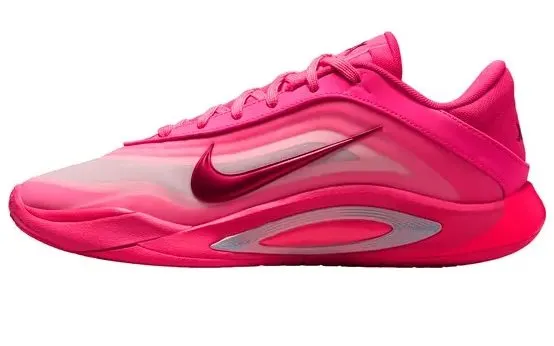
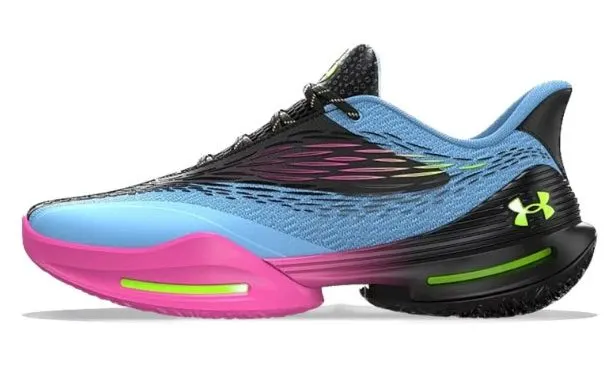
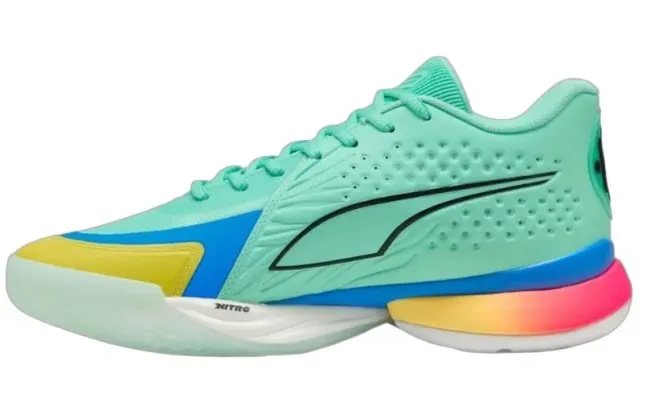
Finding basketball sneakers with the best traction is a more complicated endeavor than many people realize. We’ve learned this first-hand testing out shoes here at Baller Shoes. It isn’t just about the tread pattern, though that is certainly a major factor. The material used for the outsole matters, too, and in some cases this means different colorways of the same shoe can perform and feel like they’re completely distinct designs once you’re out on the court.
As if that weren’t complicated enough, the surface you’re playing on make a difference, too. When you’re playing outdoors, the durability of the traction is one of the biggest considerations. Shoes intended for indoor play often use a thinner rubber to reduce the overall weight, which can wear down quickly on rough surfaces. For playing on concrete, a hard rubber or XDR (extra durable rubber) outsole will be the most durable.
This isn’t what you want for indoor courts, though. On clean courts, clear rubber often offers the most precise, grippy traction, though it may attract more dust and require more wiping. And rubber isn’t your only material option, either. You’ll also find foam soles that can be a great choice for indoor play, along with boosting the sneaker’s overall shock absorption and impact protection.
Aside from the question of material, the pattern of the traction affects how it performs. The most common patterns you’ll see on shoes today include:
- Herringbone – A classic traction pattern featuring zigzagging lines covering the entire outsole, providing multi-directional grip on a variety of court surfaces.
- Circular – A pattern of concentric circles that provides excellent pivot control, particularly well-suited to players who make quick turns.
- Radial – Pattern featuring circles or lines extending outward from a central point, typically one on the ball and/or the heel. This enhances the shoe’s grip during pivots and direction changes.
- Wave – Similar to herringbone but with more curved, wavy lines than sharp, angular zigzags, ideal for smooth movement and direction changes.
- Hexagonal – Also called a honeycomb pattern, this is another one that’s well-suited to multi-directional coverage, providing stability and support during lateral movements.
- Grid – Lattice pattern consisting of small squares or rectangles that is ideal for durable, balanced traction across the foot.
There are other patterns you’ll see out there, too, including custom patterns developed for specific signature shoes, but the majority of sneakers you see will use one (or more) of these traction styles. Generally speaking, signature sneakers made for guards and fast players will have grippy traction perfect for quick stops and direction changes. Shoes designed for outdoor play tend to have the most durable traction, another factor to consider when you’re shopping for your new favorite sneakers.
Given all of these complexities, the answer to the question “What basketball shoe has the best traction?” will depend on the player, their position, and the type of court they play on. Having said that, though, the shoes below are all consistently rated as offering superior traction, and designs we found gripped the court well during our sneaker tests.